Does money equal successful production for club's youth academies?
FC Barcelona's elite La Masia youth academy has been losing top players in the last few years, despite possessing a first team that some say is once in a generation.
However, this may be a common trend for the richest club's in football. Team's who don't have the financial resources compared to giants like FC Barcelona, may have more incentive to take risks on homegrown players.
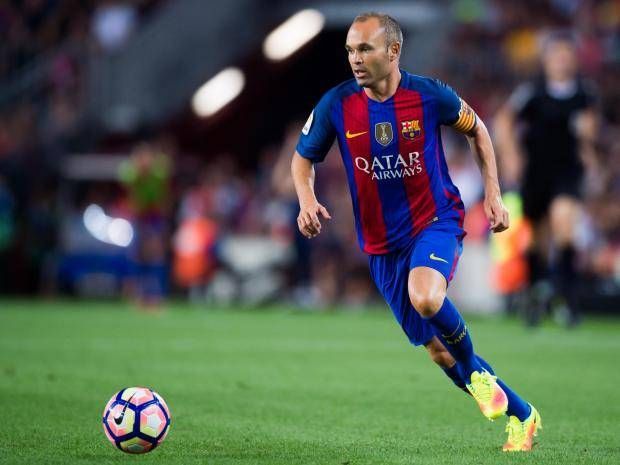
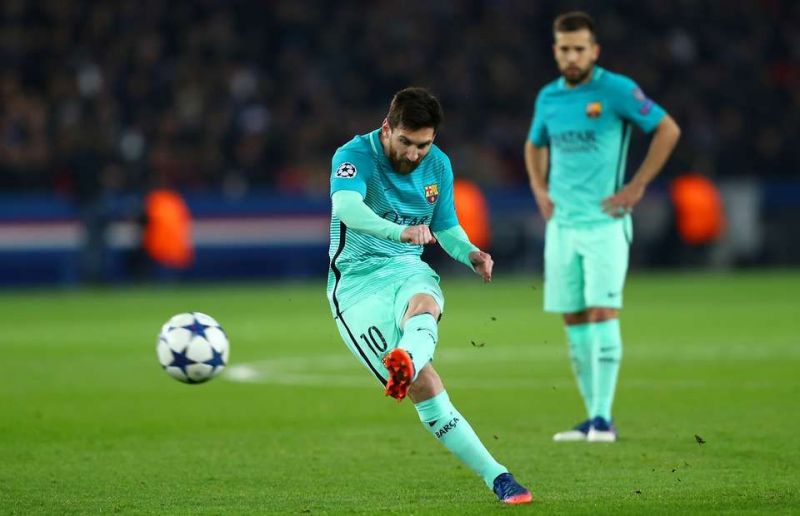
With the likes of Messi, Pique, Busquets, and Iniesta, La Masia graduates dominate first team playing time, giving prospective youth talent less hope of getting the chance at some first team minutes.
It may be correlated that other wealthy power houses have had problems producing talent of their own. Manchester United, for example, hasn't produced anyone of genuine quality since the Class of 1992, boasting David Beckham, Ryan Giggs and Phil Neville.

While having more money and success on the field doesn't necessarily mean these clubs are putting less emphasis on developing youth of their own, I still wonder if the added pressure of less resources gives less-established clubs an edge in determination and passion to see their talent grow from the inside.


I think it is interesting to look at because their are essentially two main ways of building a soccer team: you can either build it through a youth academy or you can go out and buy the player that you want. Typically the largest clubs in the world have the resources to buy the best players. Because of this no matter how much they emphasize their youth academies, they will have a harder time introducing youth players into their starting lineups because these players are blocked by the top players in the world in whom the club has invested tens or hundreds of millions of dollars. Since all players want to play, this often leads to some of the best youth players going to slightly smaller clubs with the reputation for developing and giving their youth players opportunities.
ReplyDeleteIt seems like FC Barcelona has a very potent strategy of being able to both produce and recruit/ afford top players. As a result there is intense competition for first-team spots keeping players motivated and improving and additionally creates a massive source of revenue if a top player gets replaced for a cheaper player or an up and coming player gets purchased by another team. It seems as though the other power house clubs who lack strong development academies will perpetually be consigned to less money, which limits teams ability to pay for/ recruit top talent. As a result it surprises me that teams such as Manchester United haven't found a way to improve the output of their academy system as it seems like a massive roadblock to success. On the other hand if top talent continues to leave teams such as FCB due to lack of starting spots, they may lose out on potential super stars who they had in the palm of their hands. The aspect of youth academies is wildly different from anything that we have in the US and although fascinating, seems to inhibit parity.
ReplyDeleteThis system seems to me to be a short-term solution to the lack of a salary cap in European leagues, where mid-tier clubs can sign rising stars from academies before their peak. However, in the end it seems like the big clubs will continue to outspend for players in their peak and remain on top of their leagues simply due to the money they can spend on players regardless of where they began their careers or development. So, although Manchester United's academy has not produced great athletes, the team will continue to be successful due to its spending alone. Similarly FC Barcelona will be successful as long as it continues to spend huge amounts of money on the best athletes available.
DeleteMaybe I'm biased but this seems like a major flaw for European soccer. The draft system ensures that the worst teams have the best shot at improving through getting the best young talent and thus should improve, creating parity. However, in Europe it seems like the rich teams will always be somewhere between great and solid and the poorer teams will at best have some good year, but will not be able to sustain it. This is a pretty brutal prospect for fans who don't root for the rich teams. I don't think I could handle rooting for a team knowing that there was absolutely no hope that we would ever have a legitimate shot and even if we developed an absolute star, some rich team would just sign him away.
Delete-Brian
COREY RIGGENBACH: With big money clubs like FC Barcelona with their big-name academies like La Masia comes with a lot of competition for young competitors. The percentage of kids who actually make it out of the academy and on to a roster is very slim, so this can scare the kids away from big names like La Masia. If there is a young athlete who is really great but not THE best can be overlooked in a prestigious academy, but they could be the number one guy at a mid-tier academy. For this reason, the amount of money a club doesn't necessarily solidify success in their academy as much more goes into growing an athlete from a young age compared to just buying an already proven player.
ReplyDeleteI do believe that the more mid to lower tier academies may actually have an advantage in terms of developing youth players. Though more money always means more resources, such as top-notch training facilities and coaches, like mentioned above the competition in these environments are harsh. Due to the competitive environment of clubs such as FC Barcelona, only the best of the best are able to succeed, which most likely leads to players with major potential being overlooked.
ReplyDeleteClubs like Barcelona essentially have a cushion - even if they aren't able to recruit and train the best players at their academy, they know they are capable of simply buying them later on. This means clubs with less resources have to put in more effort developing their youth since they don't have this same cushion.
This being said, it's hard to definitively say one environment over the other creates better players - is it possible that it simply depends on the individual player and what they are intrinsically or extrinsically motivated by?
- Siobhan O'Loughlin
I think that FC Barcelona's dominance over the decade with a first team that has seen a core group of players with little rotation for the main guys has hurt their academy prospects. Real game experience is one of the best ways to develop players and at Barca getting first team minutes is very difficult because you can't put Messi on the bench for a 17 year old no name kid to play, the fans would be furious. Southhampton in the Premier League is a great example of a mid table team that has produced some incredible players including Gareth Bale, Theo Walcott, and Adam Lallana. These players were given first team opportunities at a young age and were able to play against top level competition which helped their growth. Barcelona is in an interesting position because they are still producing great players, they are just unable to keep them around and risk losing them to rivals eager to let the kids play.
ReplyDelete